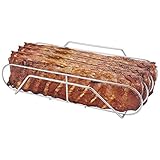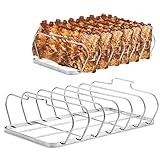



What makes ribs in demand is that you can season them in various ways and pair them with a wide array of dishes for diverse culinary delights. Apart from the animals they come from, there are other notable differences between beef ribs vs lamb ribs. For starters, the cuts are different in size, and they also vary in their respective textures and flavors. Beef cuts are obviously much larger than lamb ribs. Because they differ in their compositions, flavor, and nutritional value, the ease and methods of cooking beef ribs and lamb ribs will also be different.
We have discussed these differences in detail to help you choose the ribs that most match your lifestyle and dietary needs. We have also compared the cost and availability of beef ribs vs lamb ribs to provide you with more information for an informed decision.
We will start by explaining the types of beef ribs, their size, composition, and how easy they are to cook.
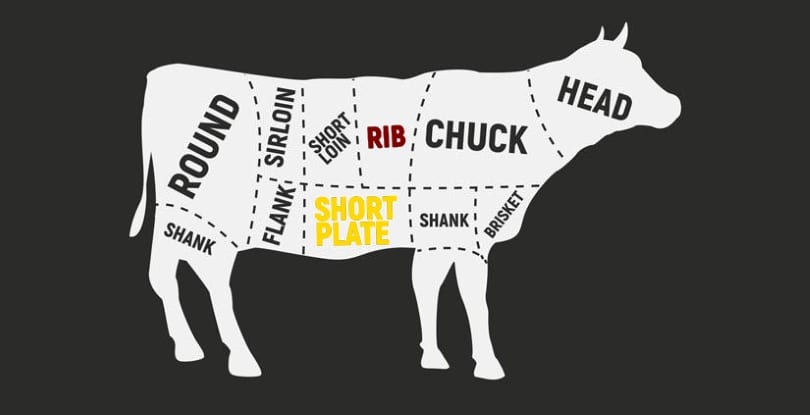 There are two types of beef ribs, depending on the part of the body they are cut from. These are usually the upper or lower sections of the cattle’s rib cage.
Back Ribs: They are cut from the upper half of the rib cage after removing the ribeye meat. For this reason, they have a lower meat-to-bone ratio, and they are less flavorful compared to short ribs. This makes them a favorite for a prime rib roast with the meat sandwiched between bones.
Short ribs: This type comes from the lower half of the rib cage. They are more expensive and meatier than beef back ribs, which makes them very tender and flavorful. They have also known as plate short ribs when they are cut in large sizes or chuck short ribs, which are smaller and easily available at the grocery store.
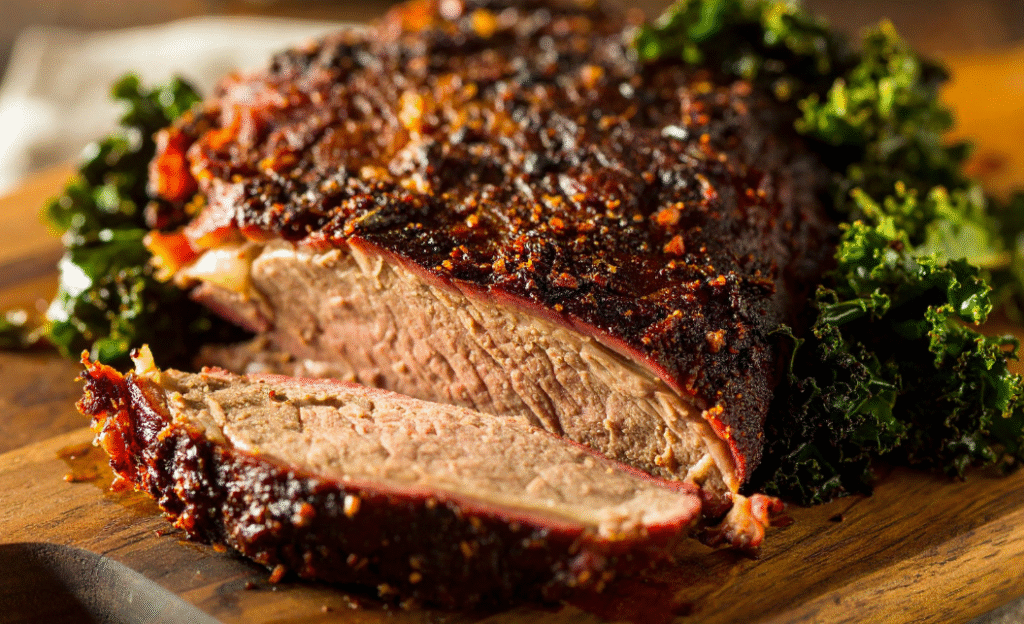
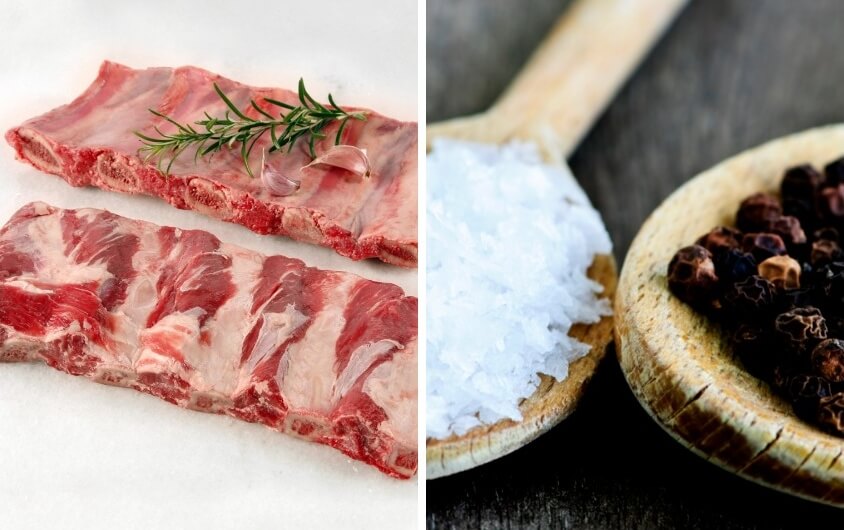 Beef ribs have a signature smell and robust flavor that has made barbecues very popular. For this reason, we recommend using minimal seasoning that will not highlight instead of overwhelming the ribs’ natural beefy flavor. Prominent chefs such as Aaron Franklin only season with black pepper and kosher salt in equal parts. You could also add chili powder or garlic, or paprika.
To infuse a smoky flavor, use hickory, whose strong, nutty flavor favors beef, or pecan, which is a milder version of hickory. Otherwise, the strong flavor of beef ribs will overpower woods like maple, which has a light aroma.
Earlier in our comparison of beef ribs vs lamb ribs, we established that the former is larger in size. But just how large are those ribs? Well, that depends on the cut; some cuts are so big that they are sometimes marketed as “dinosaur ribs” for restaurants. You are likely to find a single rib weighing at least 2 pounds with a length of 8 to 12 inches.
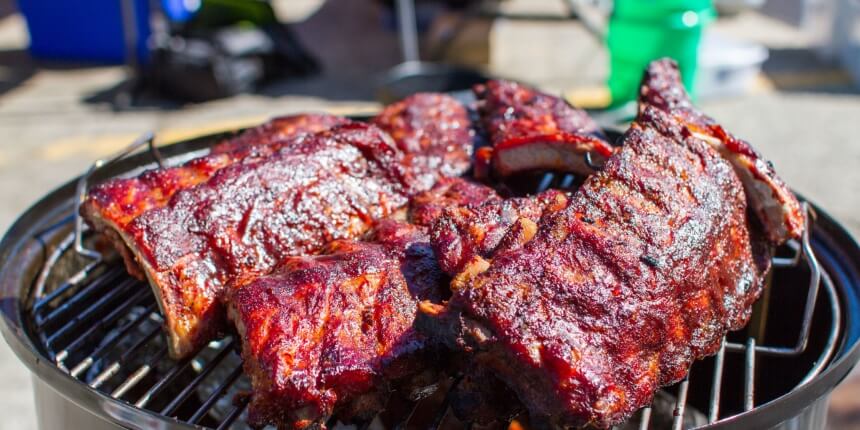 Barbecuing is the most recommended method for beef ribs. What makes beef ribs trickier to cook is their relatively large size and their cooking method, which depends on the specific cut to prevent tough, chewy beef ribs. For example, short ribs need to be cooked slowly for hours to make them tender as opposed to lean-back ribs.
Leaner or small-sized meat takes shorter to cook. So, a budding chef may find it more convenient to cook back ribs more than short ribs or prefer lamb ribs to beef ribs due to their significantly shorter cooking time.
The advantage of beef ribs is their low-calorie fat content which you don’t have to remove before cooking. Use a slow cooker, Kamado Joe smoker, or a grill set to between 225°F to 250°F. You could speed the process by wrapping the ribs in foil halfway through the cooking. This also keeps them moist and tender. Another way to cook faster is to get the Magma gas grill with infrared for intense heat and a viewing window to limit smoke and heat loss. Also, remember to keep beef ribs seasonings simple.
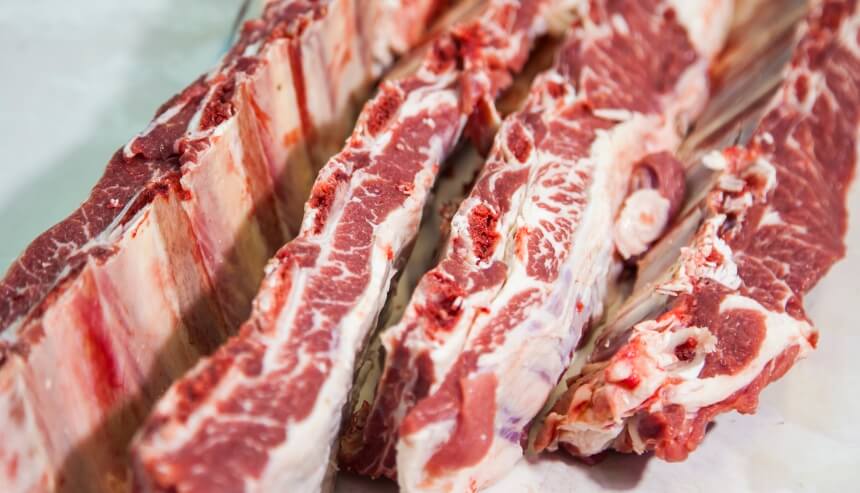 Beef ribs feature plenty of heavily marbled meat which makes the ratio of meat to fat almost even. Leaving the fat in will yield more beef flavor.
The fat and meat content also varies according to the type of cut, animal, and breed. For instance, short ribs are meatier than back ribs.
Beef ribs cost much more than pork ribs. For beef cut types, back ribs are cheaper than short ribs because they have less meat.
As expected, beef ribs are almost synonymous with Texas, which is known for its ranches and barbecues. They are also popular in Korea Trusted Source Korean grilled beef short ribs (galbi gui) For Koreans, galbi is the ultimate grilled beef dish. Serve it with salad leaves, rice, kimchi and pickled onions, using the leaves to make small parcels containing a little of everything. www.bbc.co.uk .
Compared to beef ribs, how do lamb ribs fare when it comes to their cut types, fat content, taste, or how they should be cooked? Find out more below.
Lamb is available in different types of cuts with unique qualities that influence the flavor and texture of each cut.
Rack of Lamb: Taken from the rib section, these are incredibly tender with a nice layer of fat. They can be roasted whole or cut into individual chops for quick grilling.
Lamb Riblets: These are smaller racks that are layered with delicious fat. They are fantastic for smoking and can be cut into single-bone pieces for bite-sized, caramelized appetizers.
Lamb Shoulder: Technically not ribs, the shoulder is heavily marbled and highly flavorful. It is often slow-cooked or smoked until tender, making it a fantastic substitute if you want to make pulled BBQ sandwiches.
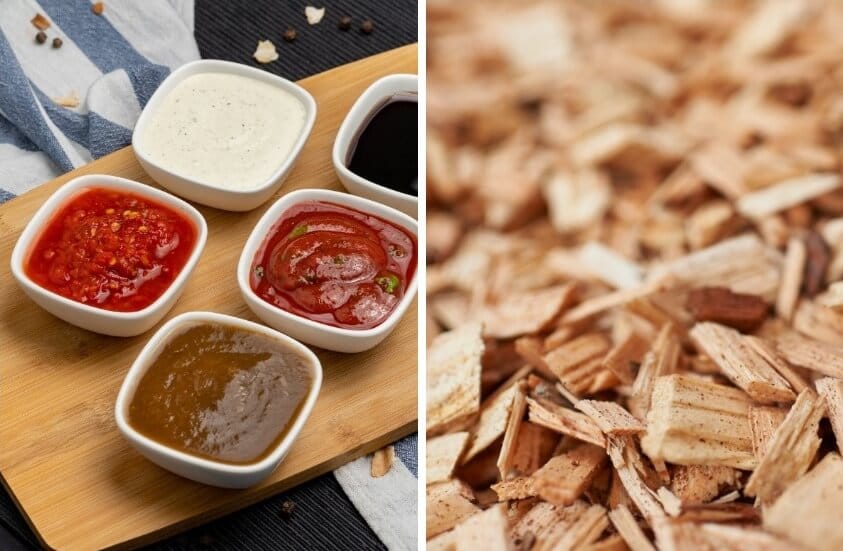
Lamb ribs offer a unique, robust, and slightly earthy flavor. Because lamb has a distinct richness, it pairs beautifully with assertive, herbaceous seasonings like rosemary, thyme, garlic, cumin, and mint rather than standard sweet BBQ rubs. If you enjoy sticky glazes, finishing them with a touch of pomegranate molasses and fresh lemon juice perfectly balances the rich meat.
If you consider where beef ribs and lamb ribs come from, it is obvious that cattle are much larger than sheep. This also applies to the sizes of their respective ribs. Lamb ribs are significantly smaller, with much shorter bones.
A full rack of lamb ribs generally weighs between 1 to 1.5 pounds.
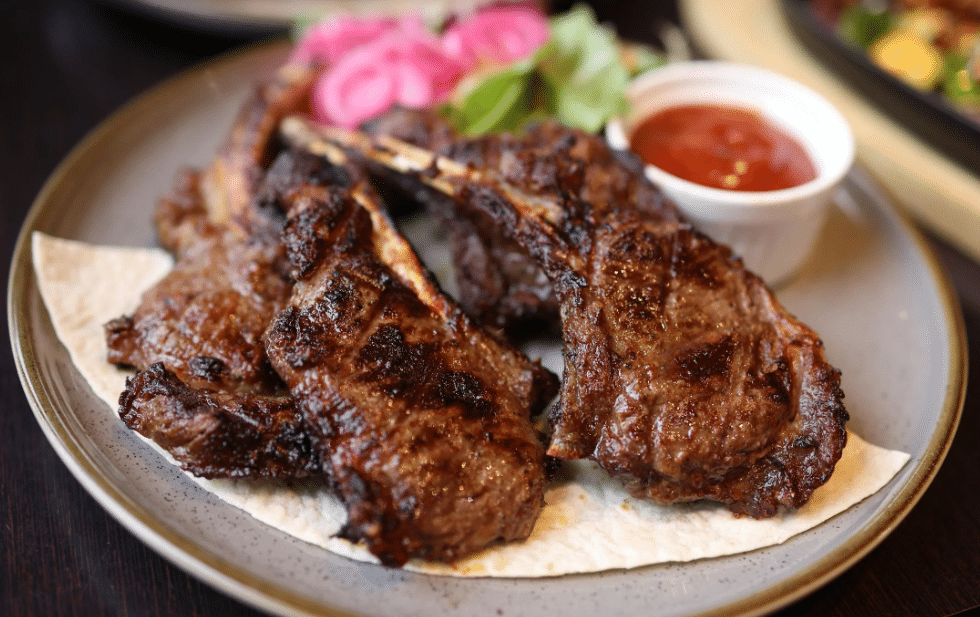
Because lamb ribs have a thick fat cap, they require a bit of preparation, like scoring or trimming the exterior fat to help it render properly. You can pair them with various dishes and cook them with cast iron griddles using different methods. However, their smaller size means they cook much faster than beef ribs. Smoking lamb ribs typically takes about 2.5 to 3 hours at 250°F. This Masterbuilt smoker comes with reliable built-in temperature control that will maintain consistent heat.
To infuse them with the best smoke flavor, use lighter fruitwoods like apple or cherry. Heavy woods like hickory or mesquite can overpower the delicate flavor of the lamb.
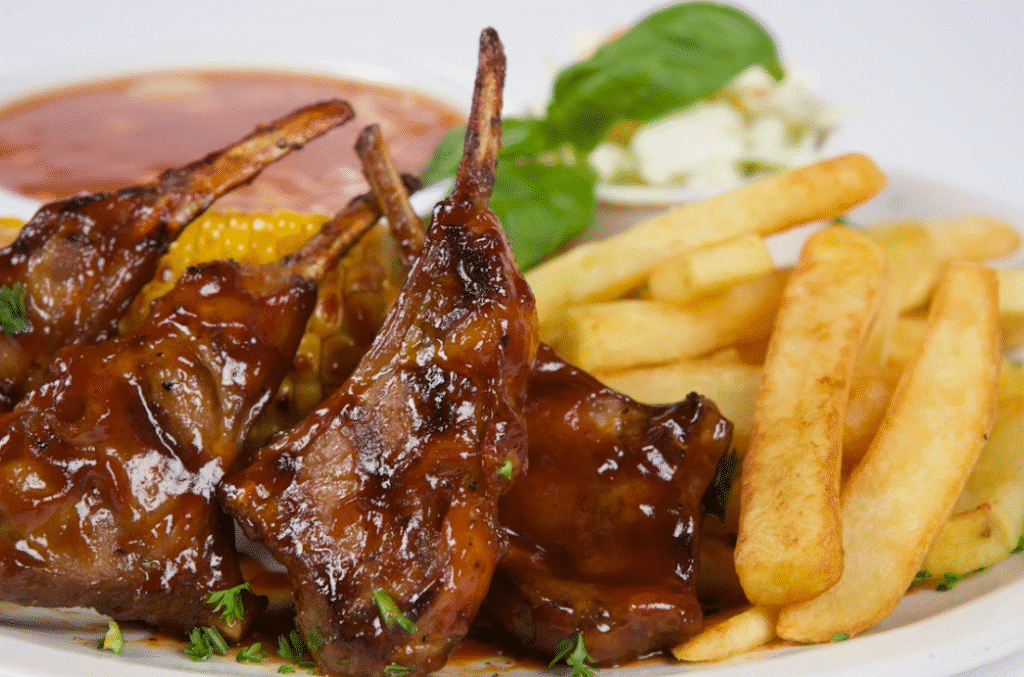
Lamb ribs are known for their high fat content, which provides a rich, buttery, melt-in-your-mouth texture when slow-cooked or smoked. Unlike beef, where the fat is mostly marbled throughout, lamb has a pronounced fat cap on top of the ribs. Many chefs prefer to smoke the ribs until tender, then cut them into individual bones and crisp them up over high direct heat to perfectly render that fat.
Lamb ribs are generally considered a premium specialty cut, making them more expensive than some standard BBQ meats, but their luxurious, unique flavor makes them well worth the investment.
Lamb ribs are widely featured as a delicacy in Mediterranean, Middle Eastern, and South Asian cuisines. However, they are quickly becoming a favorite among adventurous backyard pitmasters worldwide.
As you must have noticed, there are many factors that will determine the superior option for you if you are in a beef ribs vs lamb ribs dilemma. Beef ribs offer an intense barbecue flavor, deep umami, and massive, meaty bites. On the other hand, lamb ribs are a fantastic, fast-cooking alternative that provides a rich, complex flavor perfect for herbaceous rubs and sweet, tangy glazes. We have also explained the recommended wood and seasonings as well as the areas where you can find lamb ribs or beef ribs.