

There are numerous ways to cook a large, festive roast, but very few can compare with the delicious texture and taste of a smoked, bone-in centerpiece. While the term “ham” traditionally refers to the preserved hind leg of a pig, this article will focus on achieving that exact same impressive, crowd-pleasing experience by smoking a Bone-in Leg of Lamb or a large Beef Round Roast. These serve as the perfect anatomical substitutes for inclusive, halal-friendly barbecues.
So how do you smoke a large, fresh lamb or beef roast? Do you need a brine? How do you keep it moist? How long do you smoke it? What kind of wood should you use? All these questions may make the process look daunting, but the truth is all you need is a little technical knowledge to produce a delicious, caramelized centerpiece on your very first try.
Let’s have a look at how to smoke a fresh leg of lamb or beef round the easy way.
Before you start smoking your centerpiece roast, you need to gather your ingredients and tools. This is what you need for a successful smoke:
A quality smoker: A quality smoker is essential for obtaining a succulent roast with a caramelized bark that everyone will love. The best smokers on the market are designed to regulate the temperature for you and have a side table for all your smoker accessories. You can choose from pellet, charcoal, and propane smokers. If you’re new to the meat smoking process and want a budget pick so you can learn the process, you can opt for a smoker for beginners.
For example, the Camp Chef PG24MZG is a heavy-duty smoker that is also waterproof so you don’t have to worry about the rain when you’re smoking food. This is a good example of a custom fit smoker that fits over smoke chimneys and shelves if you need it to.
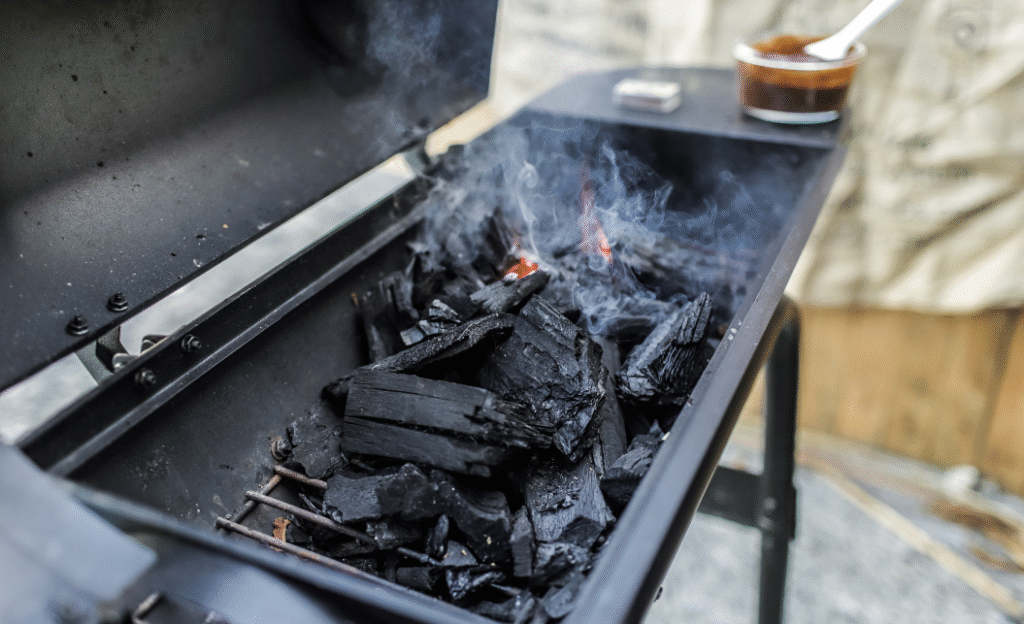
Charcoal: it’s always a good idea to keep a bag of charcoal handy because you may need to add more in order to regulate the temperature
Fresh roast: a fresh roast Trusted Source Leg of Lamb - Wikipedia A leg of lamb or beef round comes from the hindquarter of the animal, offering a large, lean, and flavorful cut that serves as the perfect anatomical substitute for traditional pork leg cuts. typically comes from the rear leg of the animal and is often sold in different portions, such as the shank end or the upper round/sirloin end. The shank portion contains a large bone and rich connective tissue that breaks down beautifully in the smoker, while the upper portion is preferred by some because it has a higher yield of purely sliceable meat. When it comes to the size, you should pick one that suits the number of people that are going to eat it and that will fit comfortably on your grill.
Rub ingredients: These may vary according to taste, but a great foundational rub includes kosher salt, black pepper, paprika, onion powder, garlic powder, chili powder, dried oregano, and dried thyme.
Aluminum foil: Essential for wrapping the meat during the latter stages of the cook.
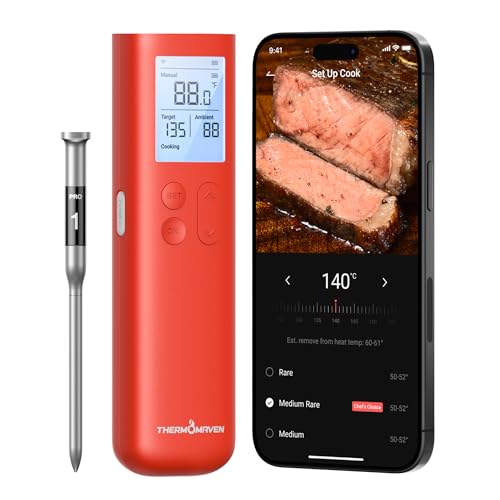
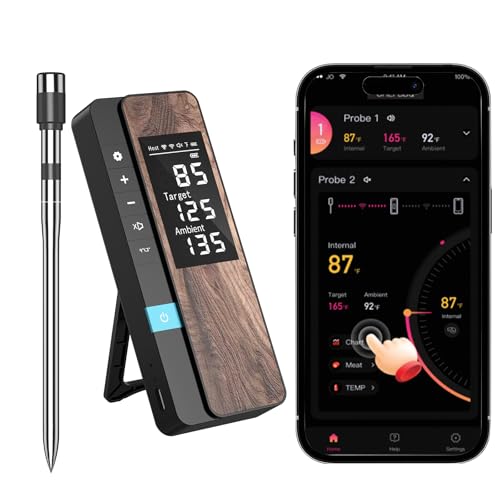
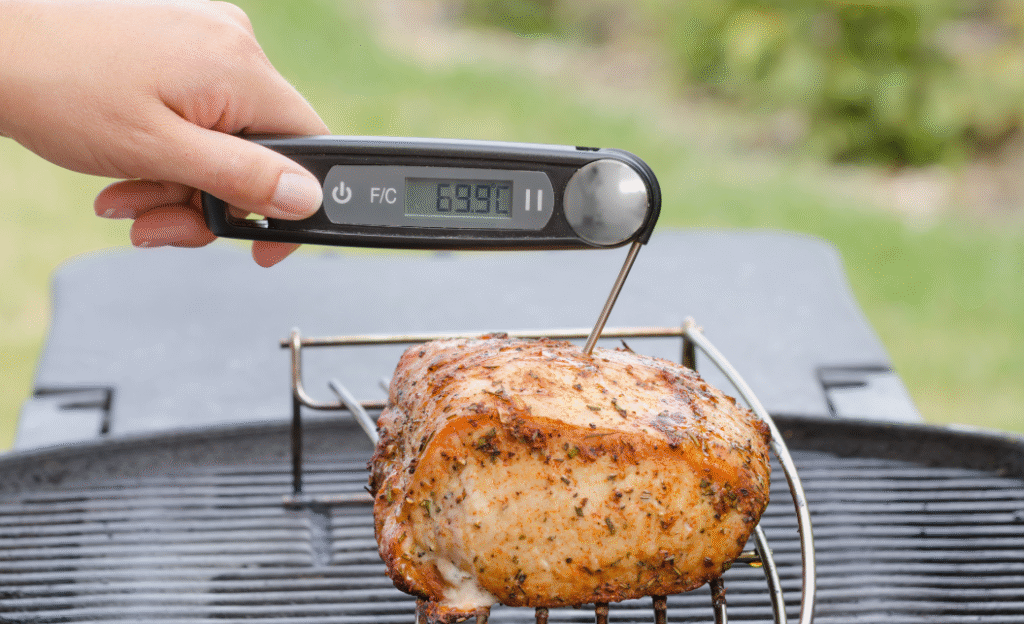
Meat thermometer: a grilling thermometer is essential for measuring the internal temperature of the meat as it’s cooking. A digital wireless thermometer such as the ThermoPro TP20 makes it easy to smoke meat because you don’t have to babysit the smoker. You can use the mobile receiver to get updates on the temperature in the oven while you’re entertaining guests or simply do chores around the house.
Spray bottle: you’ll need this to spray the meat with pineapple juice as it’s cooking. Any spray bottle will do.
Pineapple juice
Yellow mustard
Meat injector: this is optional, but highly recommended to inject moisture deep into leaner cuts like lamb or beef round.
Wood chunks: For lamb or leaner beef roasts, always recommend fruitwoods like apple or cherry. Leaner meats absorb smoke rapidly, and these milder woods prevent the smoke profile from overpowering the natural flavor of the meat.

Once you have gathered all the ingredients, it’s time to prepare the meat. With the help of a sharp knife, cut a diamond pattern into the fat cap, approximately 1/4″ deep, being very careful not to cut into the meat itself. This step is important because it creates more surface area for your spice rub to adhere to and allows the fat to render beautifully.
Next, coat the entire roast in a thin layer of yellow mustard. This will not make the meat taste like mustard; the main reason for this step is to help the rub cling to the roast. Mix up your preferred spices and apply them generously, ensuring an even coat.
Because lamb and beef round are leaner than traditional pork cuts, an optional step is to inject flavor and moisture deeper into the meat. Mix half a cup of pineapple juice, half a cup of apple cider, and half a cup of brown sugar together with a teaspoon each of black pepper and kosher salt.
Warm these ingredients in a saucepan to dissolve the sugar, allow the mixture to cool completely, and then inject it into the roast as evenly and deeply as your needle will allow.
It’s now time to prepare your smoker. To get the fire going, light your charcoal (preferably with a chimney starter) and add it to the cold rack. Allow the smoker to reach a steady temperature of 225°F–250°F. This is the optimal temperature range for large roasts, allowing the fat to render without drying out the lean muscle.

Place the lamb or beef carefully on the grill and shut the lid. Regulate the temperature as needed, keeping it strictly within that 225°F–250°F window. If the temperature drops, add more fuel; if it gets too hot, adjust your vents to restrict airflow.
Ensure you have a steady, thin blue smoke by adding your apple or cherry wood chunks when needed. To help caramelize the crust and prevent the rub from burning, fill a spray bottle with pineapple juice and mist the roast once an hour. Don’t do it more often than that, as opening the lid frequently causes you to lose heat and smoke.
If you’re wondering how long this takes, the rule of thumb is 15 to 20 minutes per pound. However, temperature is your true guide. Insert your thermometer into the deepest part of the meat without hitting the bone. You have two options for your final texture:
| Desired Texture | Wrapping Strategy | Target Internal Temp |
| Juicy & Sliceable | Loosely wrap in foil at 130°F, leaving a small opening for smoke. | Around 135°F |
Once you have reached your target internal temperature, remove the roast from the grill, but do not take off the foil. It’s essential to let the meat rest for at least 30 minutes before carving. Resting allows the juices that were driven to the center during cooking to redistribute throughout the muscle fibers. This guarantees a tender, succulent cut.
If you are looking to expand your halal-friendly and inclusive barbecue menu beyond a centerpiece roast, keep these technical standards in mind:
Curing Safety: If you want to wet-cure your beef or lamb prior to smoking to replicate a traditional pink, “cured” flavor profile, don’t use volumetric measurements like teaspoons. Better, weigh your pink curing salt (Prague Powder #1) using a high-precision digital scale. For a wet brine, calculate the required cure based on the combined weight of both the meat and the water to safely prevent harmful bacteria growth.
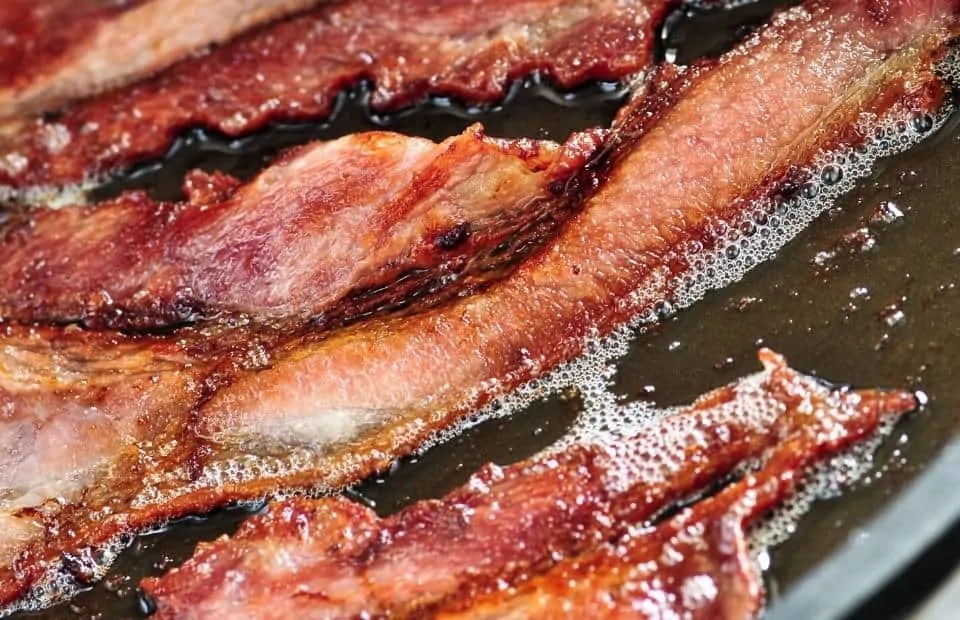
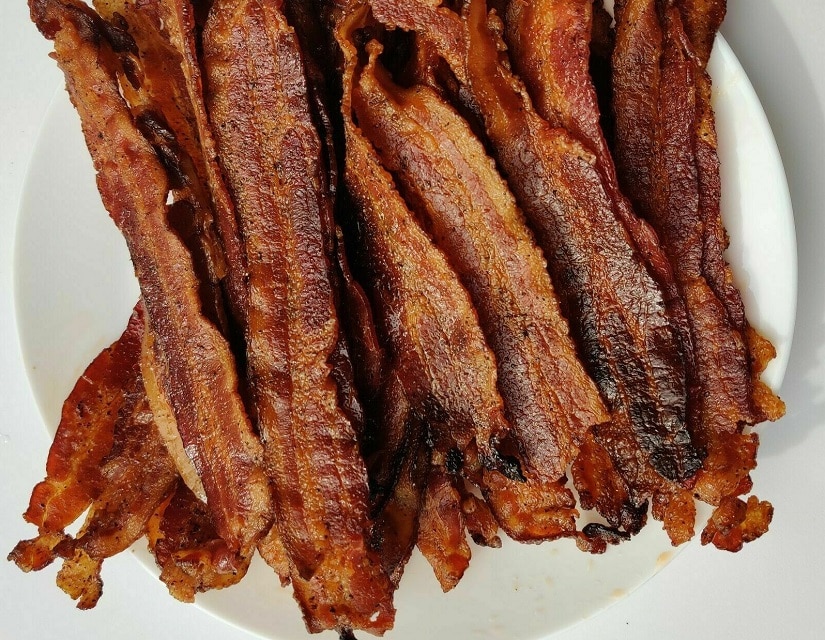
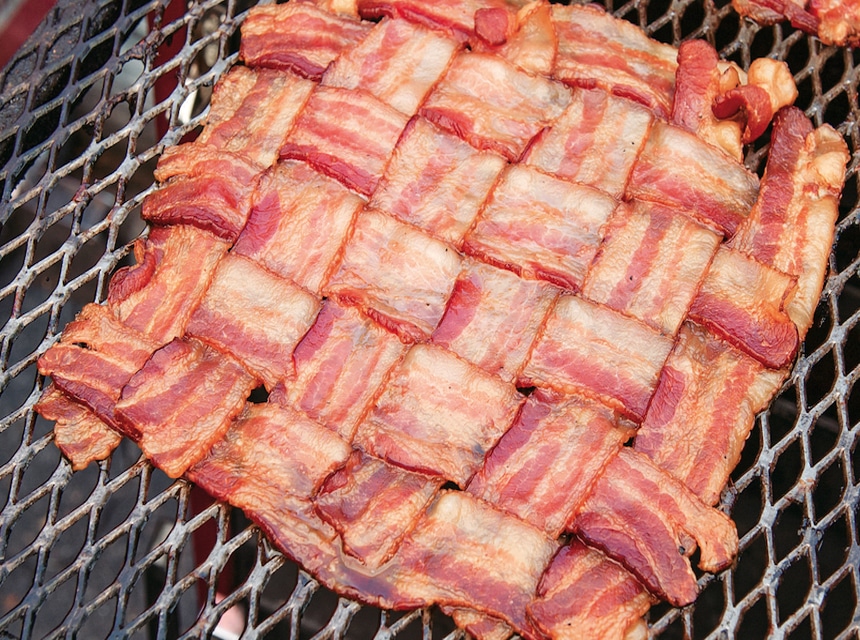
Bacon & Bone-in Roasts: The best anatomical substitute for bacon is Beef Belly (Navel). When smoking beef bacon, drop your smoker temperature to 200°F–225°F to prevent the fat from rendering out too quickly, and pull the meat at an internal temperature of 150°F.
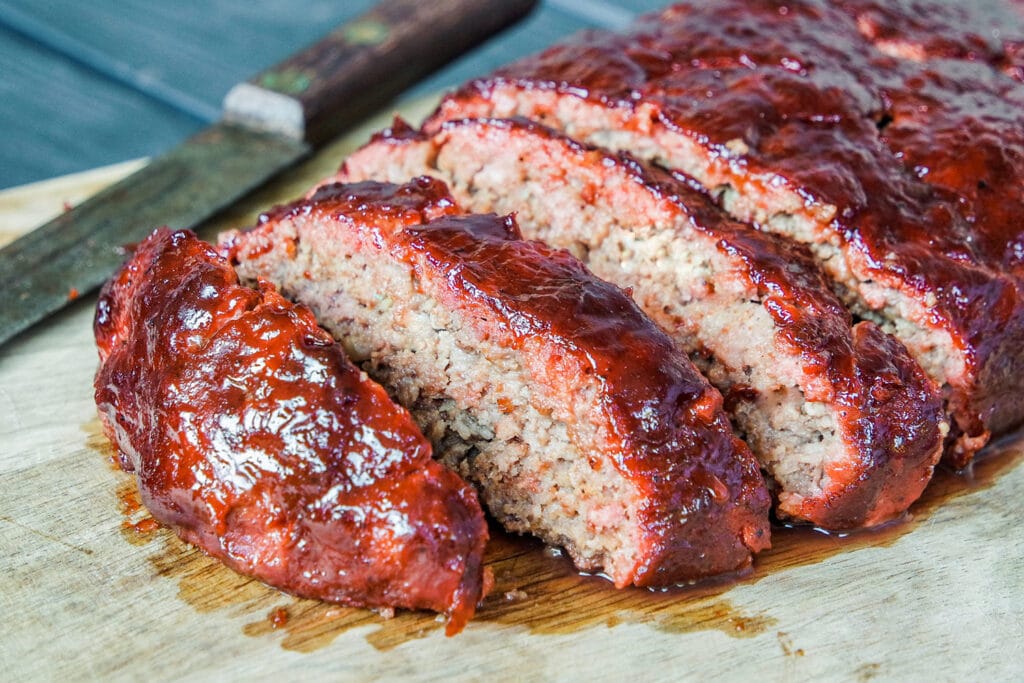
Smoked Meatloaf: For a perfect BBQ meatloaf, binding is everything. You must use an 80/20 meat-to-fat blend and a panade ratio of 3/4 cup breadcrumbs to 1/2 cup milk to ensure maximum moisture retention.
Now you know exactly how to smoke an impressive, inclusive centerpiece roast. Even though the process may seem daunting at first, having the right knowledge and tools ensures you won’t have trouble obtaining perfectly smoked meat with a beautifully caramelized exterior. Always measure the temperature correctly and utilize the foil wrap to prevent leaner cuts from drying out. A succulent smoked leg of lamb or beef round is the ideal choice for holidays, or simply for a weekend feast.
If you want to learn more about the process of smoking meat and generally about meat cooking, there are lots of cooking books on this theme available, with Franklin Barbecue: A Meat-Smoking Manifesto being an example.